


Why Agencies Choose This Utility Billing Platform.
This is a utility billing platform built specifically for government agencies, replacing manual, error-prone billing with automated, auditable workflows. Public utilities and local governments lose staff hours and resident trust to outdated billing systems, disconnected payment tools, and limited self-service. Built on the Maisters modular civic platform, this solution gives agencies one secure system for billing, payments, and resident communication.
Agencies choose this platform to:
✔️ Cut manual reconciliation time
✔️ Reduce billing errors before they reach residents
✔️ Give residents a self-service portal that lowers call volume
✔️ Move off legacy billing software without disrupting collections

Built for Public Utilities & Local Governments
This platform is purpose-built for agencies that bill residents and businesses for essential services not adapted from generic commercial billing software.
The platform serves:
- Municipal water and wastewater departments
- Electric and gas utilities
- Solid waste and recycling services
- County and district billing offices
- Public works and infrastructure agencies
Everything Your Agency Needs in One Billing Platform
This solution combines account management, billing automation, payment processing, usage analytics, and customer engagement into a single platform, so procurement teams evaluate one vendor instead of stitching together five.
A multi-utility billing software solution is a platform that manages billing, payments, and account data for more than one service type (water, electric, gas, waste) from a single system of record.
This matters most for agencies managing multiple utility types or multiple jurisdictions, where fragmented systems create duplicate data entry and reconciliation gaps.
Core Features

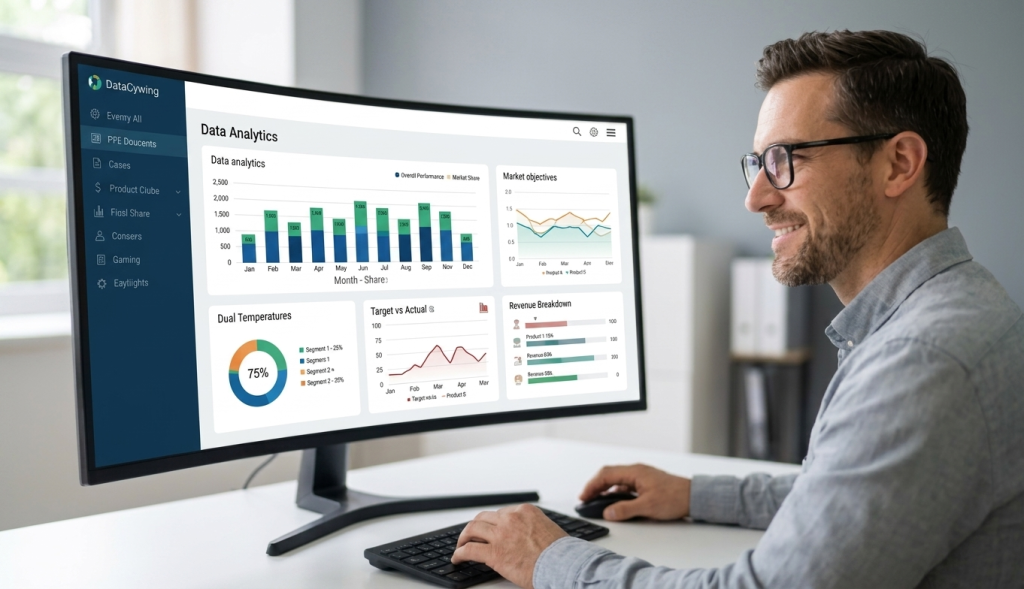
Give Staff a Single Workspace to Manage Billing
This platform gives staff one workspace instead of switching between disconnected tools for:
- Account setup and verification
- Billing cycles and adjustments
- Payment reconciliation
- Refunds and credits
- Customer inquiries and support
- Reporting and analytics
Every workflow is automated and auditable, which shortens training time for new staff and reduces the manual steps that cause billing errors.
What Agencies Gain by Switching Billing Platforms.
- Fewer billing errors: Less manual rework and fewer resident disputes
- Faster payment collection: Improved reconciliation and cash flow
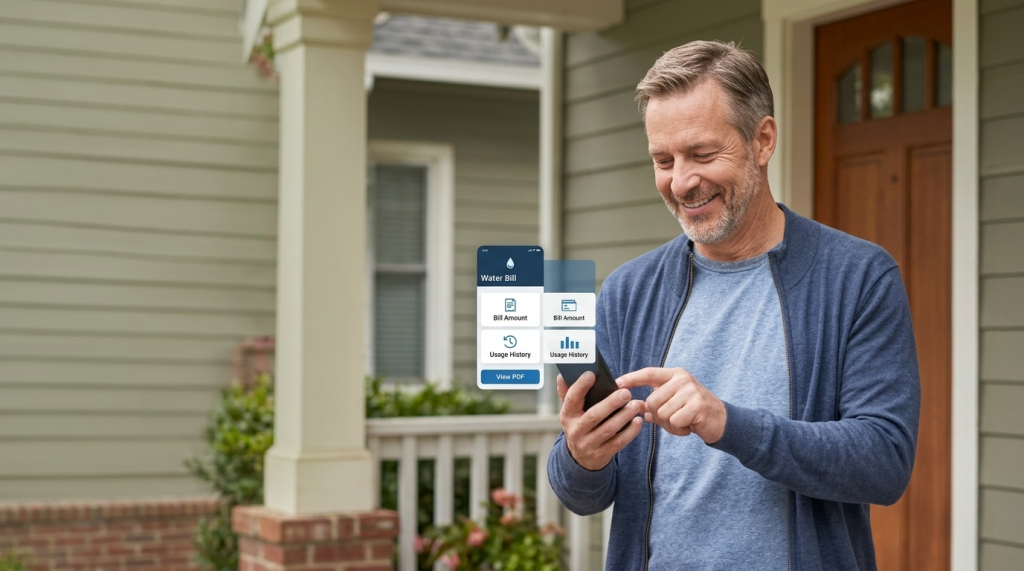
- Higher resident satisfaction: Self-service and mobile payments reduce call volume
- Stronger audit readiness: Full audit trail on billing and adjustments
- ERP/CRM integration: No rip-and-replace of existing financial systems
- Multi-jurisdiction support: One platform across multiple utility types or districts
Maisters UtilityPay™ helps agencies move from legacy billing systems to modern, AI‑powered financial operations, improving both staff productivity and resident trust.
Trusted for Government-Grade Security & Compliance.
This platform is built for public-sector procurement requirements, not retrofitted from consumer billing software. It’s designed to align with public-sector billing, privacy, and accessibility standards, and integrates with ERP, MDM, GIS, payment gateway, CRM, and audit systems already in place at most agencies.
Compliance and security areas relevant to evaluation:
- Data privacy and public records handling
- Payment Card Industry (PCI) compliance for card transactions
- ADA / Section 508 accessibility for resident-facing portals
- State and local government data residency requirements
- Audit trail and records retention support
Get Started with Maisters UtilityPay™
Maisters UtilityPay™ helps public utilities and local governments automate billing cycles, payment processing, usage analytics, and resident self-service, reducing errors, accelerating collections, and improving resident trust through one intelligent utility billing platform.
Frequently Asked Questions
What is a utility billing platform for government agencies?
A utility billing platform for government agencies is software that automates billing, payments, and account management for water, electric, gas, and waste services across an entire jurisdiction.
How much does government utility billing software cost?
Pricing depends on account volume, service types billed, and integration needs. Most agencies receive custom pricing after a short discovery consultation with the vendor.
How long does implementation take for a new utility billing system?
Implementation typically includes discovery, data migration, integration, and staff training. Exact timelines vary by agency size and legacy system complexity, request a proposal for a project-specific estimate.
Does this platform integrate with existing ERP and CRM systems?
Yes. The platform connects with ERP, MDM, GIS, payment gateway, CRM, and audit systems already used by most public agencies.
Can one platform handle multiple utility types (water, electric, gas, waste)?
Yes. This is a multi-utility billing platform that manages billing and payments for multiple service types from a single system of record.
Is this platform built for county and multi-jurisdiction billing?
Yes. The platform supports multi-jurisdiction and multi-district billing operations, including shared account management across service areas.
What payment methods can residents use?
Residents can pay by card, ACH, or digital wallet, with options for autopay, recurring billing, and payment plans.
Does the platform support accessibility and compliance requirements?
The platform is designed to align with public-sector accessibility and privacy standards; confirm current certification status directly with the vendor during procurement review.
How do agencies request a demo or proposal?
Agencies can request a demo or proposal directly through the website to begin a discovery consultation.
What happens to existing billing data during migration?
Existing account, meter, and billing data is migrated during the implementation phase; migration scope is confirmed during discovery before a proposal is finalized.
Who typically uses this platform?
Municipal water and wastewater departments, electric and gas utilities, solid waste agencies, county billing offices, and public works agencies.
How does the platform reduce billing errors?
Automated meter data import, tiered rate calculation, and audit trails reduce manual entry errors compared to legacy or spreadsheet-based billing processes.