Six Key Elements of Innovation in Local Government
The state of local government is at a turning point. Jurisdictions are being forced to rethink how public services function, communicate, and provide value due to rising citizen expectations, fewer budgets, and unprecedented technological development. Digital innovation in local government is crucial for leaders considering the future of civic service delivery.
Defined broadly, digital innovation in local government refers to the adoption of next‑generation technologies, modernized services, and process redesign that together transform not just how services are delivered, but why they exist in a citizen‑centric world. This journey goes beyond digitization it’s about cultural change, strategic vision, measurable outcomes, and sustainable public value.
According to research on technology adoption among municipalities, digital initiatives can improve service efficiency, accountability, and operational effectiveness, but barriers like resource limitations and capacity gaps remain significant.
Below are the six essential elements that define effective innovation efforts for local governments today.
1. Investing in Modern Digital Infrastructure
At the heart of digital innovation in local government is modern digital infrastructure the foundation upon which advanced services are built. This includes cloud platforms, networking, cybersecurity frameworks, data analytics systems, and citizen engagement interfaces.
A recent industry report highlighted that cloud‑enabled architectures and scalable platforms directly support AI capabilities and cross‑department collaboration, while strengthening resilience and performance.
Why it Matters: Without modern infrastructure, legacy systems choke innovation. According to a government digital review, local government bodies often lag central government in cloud adoption due to capacity constraints, increasing operational inefficiencies.
Modern digital infrastructure creates the flexibility needed for initiatives like cloud solutions for government, public sector cloud computing, and secure digital services all critical for long‑term digital transformation success.
2. Embedding Data‑Driven and AI‑Infused Decision Making
Data isn’t merely an asset it’s the backbone of strategy. Local governments that harness data analytics and artificial intelligence for government unlock new insights into performance, predict needs, and personalize citizen interactions.
Recent public sector surveys reveal that while most government leaders (about 64 %) acknowledge the potential of AI to reduce costs and enhance services, only a fraction have actually integrated AI across their organizations.
Example Application: Smart routing for service requests (e.g., 311 systems powered by AI) helps cities accelerate response times and improve outcomes a practical demonstration of how local government digital transformation can optimize service workflows.
Across jurisdictions that adopt these technologies thoughtfully, benefits include improved resource allocation, proactive problem detection, and richer analytical insights that feed policy decisions.
3. Enhancing Citizen Engagement Through Digital Services
Innovation is ultimately measured by the experience of the citizen. Digital channels government website development, mobile apps, self‑service portals, and interactive tools are reshaping the way citizens interact with public institutions.
Research shows citizen demand for online services is strong, with many local leaders prioritizing self‑service options such as online payments, applications, and real‑time information access.
Citizen engagement platforms also transform public participation. Tools designed to capture feedback, host virtual town halls, and manage direct input contribute to more transparent and collaborative governance. Independent studies of digital tools for public participation reinforce the importance of online interaction mechanisms in promoting civic involvement.
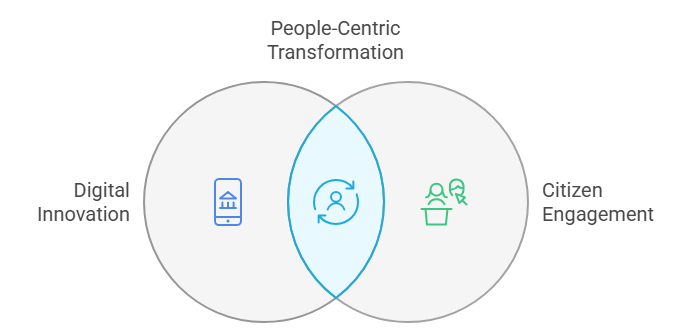
From a strategy perspective, prioritizing local government community engagement ensures that digital transformation is not just a technical upgrade but a people‑centric evolution.
4. Leveraging Cloud and Multi-cloud Strategically
Scalability, redundancy, and responsiveness are non‑negotiable in a digital world. This is where modern digital infrastructure and multi-cloud capabilities become strategic assets.
Local governments are increasingly moving toward government multi-cloud environments, allowing them to distribute workloads across multiple providers and increase resilience. This approach minimizes downtime risk, enhances security postures, and aligns with compliance requirements.
A multi-cloud strategy supports innovative government services while providing the agility to adopt new technologies without vendor lock‑in. It also plays into broader transformation priorities like AI readiness and digital inclusion by ensuring that data and services are accessible, secure, and portable.
5. Cultivating a Skilled and Adaptive Workforce
Technology alone isn’t the full solution people are. The research literature on local government innovation emphasizes strategies involving human capital, policy alignment, and organizational change. These include staff training, upskilling in data literacy, and building digital leadership competencies across departments.
Effective digital transformation also requires governance frameworks that support experimentation and encourage cross‑functional collaboration. This is where government IT staffing consulting plays an essential role: bridging knowledge gaps, enhancing capacity, and ensuring that digital initiatives maintain momentum even in the face of turnover or shifting priorities.
6. Prioritizing Security, Compliance, and Public Trust
As digital systems become more integral to local government operations, robust security and compliance frameworks are critical. Citizens expect their data to be protected and rightly so. Cyber threats remain a top concern across public sector entities.
Security requirements apply not just to core systems, but to mobile and web platforms that support remote access, critical services, and workforce mobility. Implementing cyber security solutions for local government and strong state and local government mobile access management ensures data integrity, protects public trust, and mitigates risk exposure.
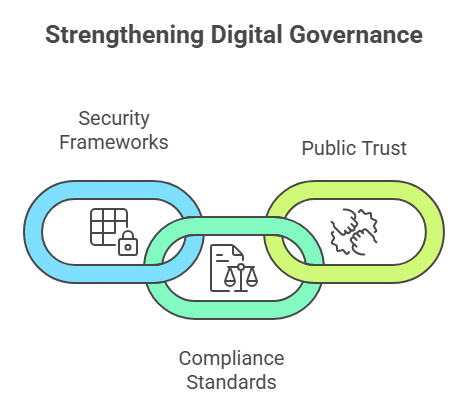
When security and compliance are integrated into innovation planning, local governments reinforce the legitimacy of their digital services and foster public confidence.
The Outcomes of Strategic Innovation
Institutionalizing these six elements produces measurable public value. When deployed purposefully, digital innovation in local government helps jurisdictions deliver:
- Faster, more convenient services
- Improved transparency and accountability
- More efficient and cost‑effective operations
- Greater resilience in times of disruption
- Enhanced citizen satisfaction and engagement
Evidence from digital government studies shows that governments with more mature digital practices are better positioned to respond to emergencies, optimize resource use, and foster inclusive service access across diverse populations.
Conclusion: Moving From Aspiration to Impact
For technology leaders, procurement executives, and vendor partners, the imperative is clear: innovation in local government must be strategic, citizen‑centric, and measurable. It requires not just investing in the latest tools, but cultivating the right infrastructure, talent, policies, and partnership ecosystems that sustain long‑term change.
The ROI of innovation isn’t just financial it’s the trust earned when citizens experience responsive services, transparent processes, and efficient government operations that elevate community well‑being.
If local government is to meet the challenges of tomorrow, the six elements outlined here form a practical, research‑informed roadmap for transformation. By implementing modern digital infrastructure, data‑driven workflows, inclusive engagement models, and secure ecosystems, public sector organizations can unlock tangible innovation that truly matters.
Frequently Asked Questions
What is digital innovation in local government?
Digital innovation in local government refers to adopting new technologies and processes to improve service delivery, enhance citizen engagement, and modernize public sector operations. App Maisters helps government agencies implement these changes through cutting-edge solutions.
Why is digital innovation important for local governments?
Digital innovation enables local governments to streamline operations, improve service delivery, and enhance transparency. App Maisters supports local governments in driving these innovations with custom government application development services and modern digital infrastructure.
How can AI benefit local government operations?
Artificial intelligence for government helps optimize services, predict citizen needs, and automate tasks such as public health monitoring and traffic management. App Maisters integrates AI-driven solutions into public sector operations, enhancing efficiency and decision-making.
What is the role of cloud solutions for local government?
Cloud solutions provide secure, scalable platforms for local government digital transformation. These solutions reduce costs, improve data access, and ensure seamless collaboration across departments. App Maisters offers cloud solutions for government to support scalable, efficient digital services.
What are the best cybersecurity solutions for local governments?
Cybersecurity is critical in digital innovation in local government. App Maisters offers cybersecurity solutions for local government, ensuring that sensitive citizen data is protected through advanced encryption, secure cloud environments, and compliance with data protection regulations.
Does App Maisters provide digital transformation services for government agencies?
Yes, App Maisters specializes in government application development services and local government digital transformation. With certifications such as ISO 27001/9001, we deliver secure, scalable, and effective solutions for government agencies looking to innovate their operations.
How can local governments improve citizen engagement digitally?
Digital tools like mobile apps, self-service portals, and interactive websites are key to improving local government community engagement. App Maisters provides government website development and mobile solutions to foster better communication between local governments and their citizens.
What are the key elements of a successful local government digital transformation?
Key elements include modern infrastructure, AI integration, multicloud strategies, robust cybersecurity, and citizen-centric service delivery. App Maisters supports all aspects of local government digital transformation, including government IT staffing consulting for smooth implementation.