AI for Digital Identity Verification and Secure Access
As governments around the world increasingly embrace digital transformation, securing citizens’ digital identities has never been more important. From public service portals to online voting systems, government agencies are tasked with ensuring the safety and security of sensitive citizen information. In this context, AI-powered identity verification has emerged as a game-changer, providing an innovative and efficient solution to meet these challenges.
In this blog, we will explore how AI for digital identity verification is transforming government services, safeguarding access to critical systems, and enhancing overall cybersecurity. We’ll also delve into the latest insights on AI adoption in the public sector and its role in improving both service efficiency and citizen trust.
The Growing Demand for Secure Digital Identity in Government Services
As governments move more of their services online, digital identity verification has become a crucial cornerstone of cybersecurity. Citizens now interact with government services for everything from renewing licenses and paying taxes to accessing healthcare or social security benefits. According to a recent PwC report, 70% of governments worldwide are already using AI technologies in some capacity. The challenge, however, is ensuring these digital interactions remain secure, trustworthy, and accessible to all.
A major concern for governments is ensuring that the individuals accessing these services are legitimate and not attempting to commit fraud or impersonate others. AI-powered identity verification systems offer robust solutions that mitigate these risks, reduce the administrative burden, and improve public trust in government systems.
Why AI-Powered Identity Verification is Critical for Governments
1. Secure Access to Public Services
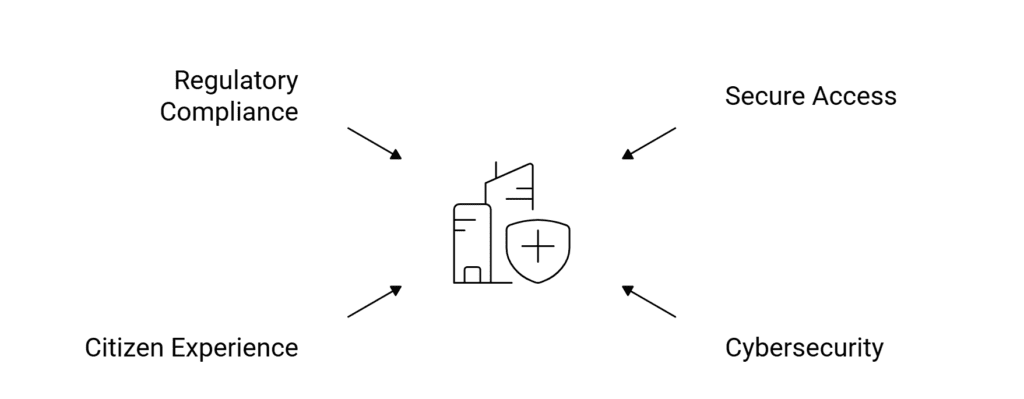
Governments manage vast amounts of personal and sensitive information. Whether it’s a social security number, tax information, or healthcare records, protecting citizens’ data is essential. Traditional verification methods, such as passwords or PINs, are vulnerable to breaches and hacking attempts. In contrast, AI-powered identity verification can provide multi-layered, biometric-based security such as facial recognition or fingerprint scanning to ensure that only authorized individuals can access these services.
For example, AI can verify the identity of a citizen applying for unemployment benefits by cross-referencing facial data with government-issued IDs or biometric databases. This reduces the risk of fraudulent claims and ensures that services are only provided to eligible individuals.
2. Enhancing Cybersecurity and Fraud Prevention
Governments are prime targets for cybercriminals. In fact, a report from the Cybersecurity and Infrastructure Security Agency (CISA) revealed that cyberattacks against government entities increased by 30% from 2021 to 2022. AI-based identity verification plays a critical role in reducing the risk of cyberattacks by providing a more secure method of authentication compared to traditional systems.
AI also enables real-time fraud detection. By analyzing behavioral patterns, AI systems can detect anomalies such as a sudden location change or irregular login attempts and prompt additional verification steps. This helps thwart attempts at account takeovers, identity theft, and other fraudulent activities before they can do significant damage.
3. Improving Citizen Experience and Service Efficiency
While security is essential, governments must also ensure that their services are user-friendly. Citizens today expect the same convenience and speed in interacting with government services as they do from private-sector companies. AI-powered identity verification systems enable a seamless experience, whether it’s for applying for a passport, accessing public healthcare services, or paying taxes.
For instance, an AI system can automatically verify a person’s identity using their national ID card or passport during an online application process, without requiring them to visit a physical office. This reduces wait times, increases operational efficiency, and ensures that citizens can access services without unnecessary hurdles.
4. Compliance with Regulatory Standards
Governments must comply with a wide range of regulations, such as Know Your Customer (KYC), General Data Protection Regulation (GDPR), and anti-money laundering (AML) standards. AI helps governments maintain compliance by providing accurate, automated identity verification processes that ensure only legitimate users are granted access.
By integrating AI identity verification, governments can reduce human error, minimize the risk of non-compliance, and avoid the hefty fines associated with regulatory violations. Additionally, AI solutions are designed to stay up to date with the latest regulations, ensuring that identity verification methods align with evolving standards and best practices.
Real-World Applications of AI-Powered Identity Verification in Government
AI identity verification is not a distant future it’s already being deployed across multiple sectors in the public domain. Let’s take a look at some real-world applications:
Online Voting and E-Governance
One of the most promising applications of AI-powered digital ID verification is in the realm of e-governance. As governments explore online voting systems to make elections more accessible, ensuring the authenticity of voters becomes critical. AI can verify a citizen’s identity using biometrics, such as facial recognition, to ensure only eligible voters cast ballots.
In countries like Estonia, digital IDs allow citizens to access a range of government services, including voting, healthcare, and financial transactions, all through a secure and seamless AI-powered platform. The success of such programs highlights the potential of AI-driven government technology solutions in transforming the way governments engage with their citizens.
Healthcare Access and Telemedicine
During the COVID-19 pandemic, many governments quickly shifted to telemedicine and online healthcare consultations. AI-powered digital identity verification helped ensure that patients’ identities were accurately verified before receiving healthcare services, allowing them to securely access prescriptions, medical records, and other sensitive health data remotely.
In India, the Aadhaar system is a leading example of AI-powered identity verification, enabling over 1.2 billion citizens to access government services such as healthcare, subsidies, and pensions through biometric authentication.
Social Security and Welfare Benefits
AI is also being used to streamline the verification of individuals applying for government assistance. By verifying the applicant’s identity using facial recognition or document scanning, AI ensures that only legitimate citizens can access benefits. This reduces the likelihood of fraud, ensuring that government resources are distributed fairly and equitably.
In the United States, for example, the Social Security Administration (SSA) is increasingly using AI technology solutions to enhance identity verification processes, preventing fraudulent claims and ensuring that benefits reach the intended recipients.
The Future of AI in Government Identity Verification
The use of AI for identity verification in government settings is expected to grow exponentially. According to MarketsandMarkets, the market for AI-powered identity verification solutions is projected to reach $15.9 billion by 2027, with significant adoption across both public and private sectors.
Some emerging trends that could shape the future include:
- AI and Blockchain Integration: Combining blockchain technology with AI-powered identity verification could create an immutable record of verified identities, enhancing trust and transparency in government systems.
- AI-Powered Fraud Detection: As AI systems become more sophisticated, they will be able to detect even more nuanced fraud attempts, including deepfakes and synthetic identities.
- Privacy-First AI Solutions: With growing concerns over privacy, governments will prioritize AI solutions that respect citizens’ data protection rights while providing secure and efficient identity verification.
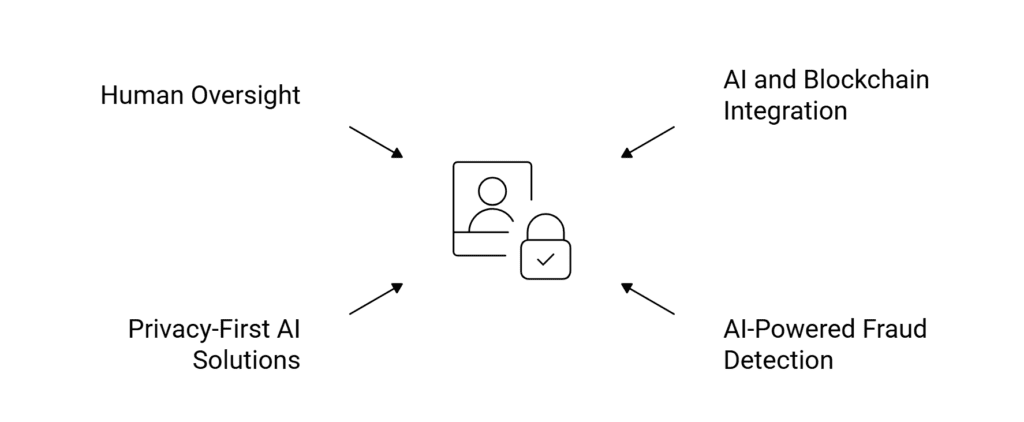
In addition to these trends, governments will continue to explore the human role in AI, ensuring that automated systems work alongside human oversight to maintain fairness, accountability, and transparency. The future of government AI solutions will likely involve a hybrid approach that combines the efficiency of AI with the judgment and expertise of human operators, especially during complex verification processes.
Conclusion
As governments continue their digital transformation journey, AI-powered identity verification software offers a powerful tool to enhance security, improve efficiency, and foster trust. By adopting these technologies, government agencies can ensure that citizens access services in a secure, seamless, and compliant manner, while also protecting sensitive data from emerging cyber threats.
Whether it’s facilitating online voting, securing healthcare access, or preventing fraud in social security programs, AI-driven digital ID verification is paving the way for a more secure and efficient future for government services worldwide.
At App Maisters Government Solutions, we are committed to helping public sector agencies harness the power of AI to provide the most secure, reliable, and efficient digital services to citizens. Let us help you build a safer, smarter future for your citizens with cutting-edge AI-powered identity verification and government AI implementation.
Frequently Asked Questions
What is AI-powered identity verification?
AI-powered identity verification uses artificial intelligence, including biometric data like facial recognition or fingerprints, to authenticate and verify an individual’s identity. This method offers enhanced security and efficiency compared to traditional verification systems.
How does AI help prevent fraud in government services?
AI detects fraudulent activity in real-time by analyzing behavioral patterns, identifying anomalies, and cross-referencing biometric data. This helps prevent identity theft and fraud, ensuring only legitimate individuals access government services.
Why is AI important for digital identity verification in government?
AI ensures secure, efficient, and accurate identity verification, reducing human error and preventing fraud. It enables seamless access to government services, such as healthcare, social security, and online voting, while complying with regulatory standards.
How does AI improve the citizen experience in government services?
AI enables faster and more convenient service delivery by automating identity verification with biometrics, reducing wait times, and eliminating the need for in-person visits to government offices.
What are the benefits of AI in government technology solutions?
AI in government technology solutions enhances security, increases efficiency, ensures compliance, and improves user experience. It also reduces the risk of fraud and human error, streamlining processes like digital identity verification and access to services.
Can AI be used for online voting verification?
Yes, AI-powered identity verification systems, such as facial recognition, can ensure that only legitimate voters participate in online elections, improving accessibility and security in e-governance and online voting systems.
What is the future of AI-powered identity verification in government?
The future of AI in government includes more integrated systems with AI and blockchain, advanced fraud detection, and stronger data protection measures, leading to enhanced trust and efficiency in government services worldwide.
How is AppMaisters helping with government AI implementation?
AppMaisters specializes in government AI solutions that enhance security, streamline identity verification, and improve citizen experiences. Our AI-powered technology solutions help government agencies build smarter, safer systems to serve citizens more effectively.