
7 Tips to Prioritize Local Health Inspections: Steps and Advice for Health Departments
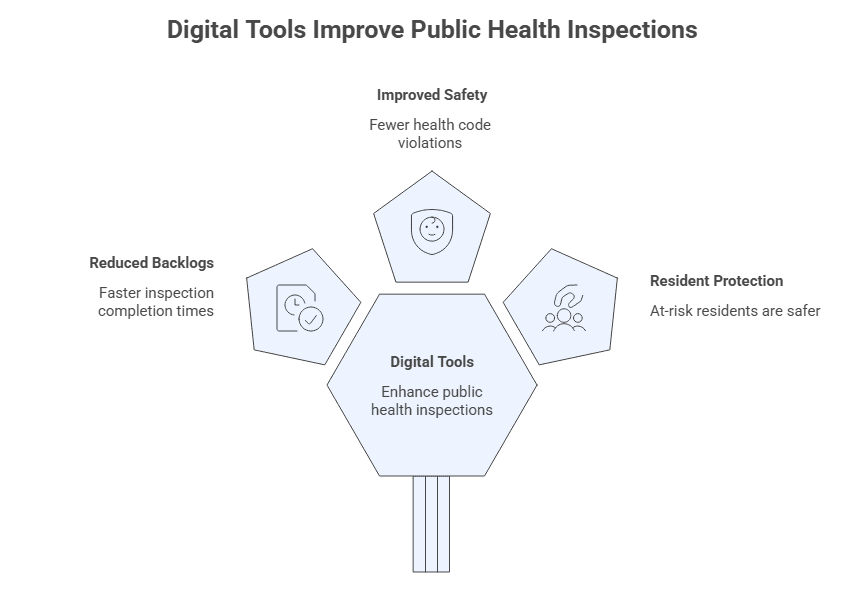
City officials using digital tools to improve public health inspection processes. Local governments increasingly rely on technology to enhance public services. Local health inspections are essential to public safety: they ensure facilities from restaurants to nursing homes follow health codes. Without prioritized local health inspections, problems like unsanitary food or contaminated pools can slip through the cracks. In fact, some jurisdictions have faced severe backlogs for example, Maryland’s health department averaged a 2.44-year lag in nursing home inspections (versus a 0.97-year national average). These delays highlight how at-risk residents may go unprotected. To fulfill their mission, government health departments and local health departments must modernize inspection workflows. The tips below explain how to streamline processes and target resources where they’ll do the most good.
1. Prioritize High-Risk Facilities
Focus first on establishments where violations pose the greatest danger:
- Restaurants and Grocery Stores: Frequent food inspections prevent outbreaks.
- Pools and Spas: Regular checks ensure water safety and prevent infections.
- Nursing Homes and Daycare: Protect the most vulnerable populations.
- Hotels, Camps, and Others: Include hotels, summer camps, petting zoos, salons, etc., where minor lapses can impact many citizens.
Inspecting these categories regularly prevents the most serious health incidents. By zoning in on these high-impact sites, local health departments and government health departments ensure limited inspection resources are used where they have the biggest effect.
2. Embrace Digital Tools and Mobile Apps
- Cloud Scheduling: Tools automatically assign and adjust inspection appointments.
- Mobile Inspections: Apps allow on-site data entry, photo capture, and offline forms.
- Citizen Engagement: Municipality Mobile Apps let citizens report health concerns and receive fast updates, “offering faster services and building stronger community relationships”.
For example, a digital inspection system can auto-schedule visits and let inspectors complete forms on a tablet, uploading results instantly. Citizens also benefit they can use a mobile app to submit health concerns or receive alerts, strengthening the feedback loop. Many governments partner with specialized government IT services providers to develop secure, tailored inspection software for these needs. Integrating inspection software with other city systems (like code enforcement or fire permits) means data is shared and duplicate work is avoided.
3. Use Data Analytics to Allocate Resources
Turn inspection records and community health data into actionable insights:
- Historical Trends: Use past violation records and complaint logs to identify repeat offenders.
- Geospatial Mapping: Plot inspection results and complaints on a map to spot hotspots.
- Predictive Alerts: Apply simple models or AI to flag facilities at risk of future violations.
Data-driven methods focus efforts on emerging hot spots. For example, Chicago used predictive analytics on food inspections and caught violations about seven days sooner than with traditional scheduling. Likewise, local health departments can borrow from AI in Healthcare public health agencies use AI to track disease outbreaks and detect risk patterns and apply those models to local inspection data. For busy government health departments, this means inspectors can focus on trouble areas before problems escalate. This proactive approach turns raw data into prevention: crews act before incidents occur.
4. Collaborate Across Agencies
Inspections often overlap with other local services:
- Joint Inspections: Schedule visits so businesses receive multiple checks (e.g. health + fire) at once.
- Shared Data Systems: Use a unified database so any agency’s inspector sees up-to-date records.
Secure mobile apps can let inspectors from different agencies stay connected and share findings in real time. This breaks down silos in line with broader federal government digital transformation initiatives. Having a unified inspection calendar or joint “inspection blitz” event can multiply coverage. Often municipalities contract specialized government IT services to create a shared platform, letting multiple inspectors update the same record. Joint inspections also reduce disruption: one visit can address multiple issues, saving time for officials and business owners. This collaboration is part of the local government role in health care ensuring no risk slips through the cracks.
5. Educate and Engage the Community
Involve local businesses and residents in the process:
- Outreach Campaigns: Publicize health rules and upcoming inspection schedules to businesses.
- Business Training: Offer resources or workshops on meeting health standards.
- Transparency: Publish inspection results openly to motivate compliance.
Provide clear guidelines (checklists, online videos) on hygiene best practices. Use social media or a city app to send seasonal health tips (e.g. preventing heat illnesses or the flu). If businesses know what inspectors check and citizens can report issues via a Municipality Mobile App, compliance improves. In fact, many cities now offer official Municipality Mobile Apps with tools to report health concerns directly. Engaging the community reduces repeat violations and builds trust in government health departments’ efforts. In many places, publishing inspection scores has motivated improvements as businesses work to avoid bad publicity.
6. Invest in Training and Technology
Ensure your inspectors have the right skills and tools:
- Continuing Education: Provide regular classes on new codes, food safety science, and digital tools.
- Tech Upgrades: Supply tablets, sensors, and updated software for field inspections.
- Expert Support: Use consultants or IT staff augmentation to build or maintain custom inspection systems.
For example, contract development of custom apps or leverage IT staff augmentation to build or enhance your inspection platform. By empowering staff with training and smart tech, government health departments transform inspectors into highly productive agents of public safety.
7. Monitor Performance and Continuously Improve
Track progress and adapt:
- Key Metrics: Monitor KPIs like on-time inspection rate or backlog size.
- Dashboard Reviews: Hold regular meetings to review performance data.
- Iterative Adjustments: Refine schedules or resources if certain inspection types lag behind.
App Maisters notes that BI and analytics tools help agencies “turn raw data into actionable insights,” enabling officials to reassign resources if needed. If reports show certain categories lagging (e.g. pools or food carts), adjust your schedule, add staff, or simplify forms. Continuously refining your process ensures inspection outcomes keep pace with community needs.
Implementing these tips demands planning, but the payoff is a healthier community and smoother operations. Local health inspections are a cornerstone of the local government role in health care. By following these strategies focusing on high-risk sites, embracing technology, collaborating across agencies, and monitoring results health departments can make inspections more efficient and effective.
App Maisters Government Services offers solutions that integrate all of these elements. For example, our cloud-based inspection management software automates scheduling and reporting across agencies. Ready to modernize? Contact us today to book a free consultation or demo and take the first step toward a smarter, safer inspection program.
Frequently Asked Questions
What are local health inspections?
Local health inspections are evaluations conducted by local health departments to ensure public facilities like restaurants, pools, and nursing homes meet safety and hygiene standards. They help protect community health and prevent disease outbreaks.
Why are local health inspections important for public safety?
They help prevent foodborne illnesses, contamination, and other public health risks. Regular inspections by government health departments ensure compliance with local health codes and build community trust in local governance.
How can technology improve local health inspections?
Modern tools like mobile inspection apps, cloud dashboards, and AI in Healthcare analytics help inspectors save time, reduce paperwork, and make faster decisions. App Maisters provides government IT services that streamline these digital processes for public agencies.
What role do local governments play in healthcare inspections?
The local government role in health care includes enforcing health codes, inspecting facilities, and promoting public awareness. They act as the first line of defense in maintaining safety standards across communities.
How can health departments prioritize inspections more effectively?
Using digital data analytics, predictive models, and risk-based scheduling helps local health departments focus on high-risk facilities. This ensures critical inspections happen first, saving both time and resources.
What are the benefits of using mobile apps for local health inspections?
Municipality Mobile Apps allow inspectors to collect data, upload photos, and generate reports instantly. They also enable citizens to submit complaints or track inspection updates, creating transparency and faster response times.
How does App Maisters support government health departments?
App Maisters offers custom government IT services that digitize inspection systems, automate scheduling, and provide analytics dashboards. Our certified experts help agencies modernize processes and meet federal digital transformation goals.
Can local health inspections use AI to predict risks?
Yes. By integrating AI in Healthcare and data analytics, health departments can identify patterns, detect high-risk zones, and prevent violations before they occur. This proactive approach saves both money and lives.
How often should health inspections be conducted?
Most local health departments inspect high-risk establishments like restaurants or hospitals at least once or twice a year. Low-risk sites may be inspected less frequently, depending on local regulations and available resources.
How can my agency start a digital health inspection program?
Agencies can begin by assessing their current systems and partnering with a provider like App Maisters. Our solutions align with federal government digital transformation goals, helping departments move from paper-based systems to smarter, connected platforms.