How Mobile Apps Are Changing Field Work in Local Government 2026
In local government 2026, smartphones and tablets have become essential tools for field staff. Gone are the days when code inspectors or health officers scribbled notes on paper and raced back to City Hall to file reports. Today’s government mobile applications let those same workers complete forms, view property records, and even issue citations on the spot. By eliminating manual hand-offs, apps cut data errors and lag time saving time and taxpayer dollars. For example, one study found that when employees file reports directly from the field, agencies “increase efficiency, save time and money” because staff no longer need to return to the office to finish critical tasks. In short, mobile apps have revolutionized local government field work: agencies get more done with the same staff, and citizens see faster service.
Key Benefits for Field Teams
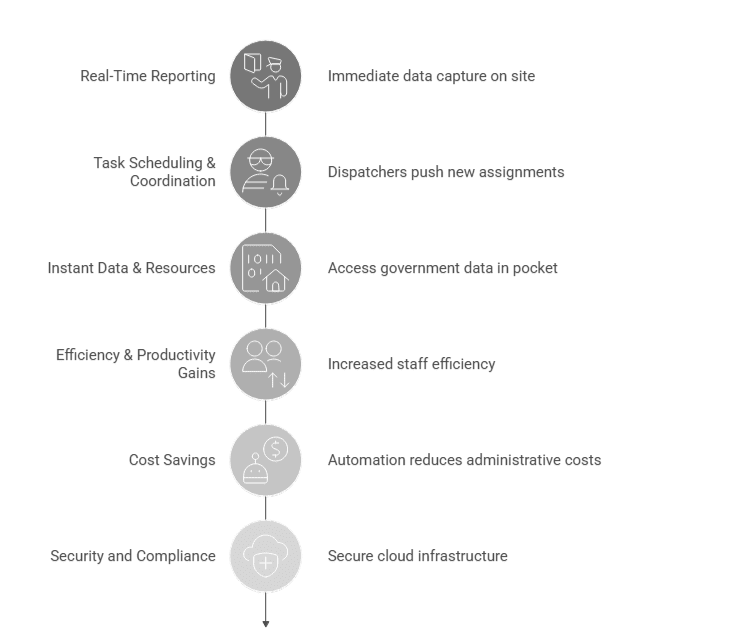
Real-Time Reporting:
Mobile apps allow workers to file reports immediately on site. A building inspector can fill out an inspection form on a tablet and upload it instantly, capturing photos, signatures, and GPS data. This immediate data capture greatly reduces follow-up work. In fact, one report noted a 25% reduction in response times for city service requests after adopting mobile apps for 311 and permitting. Real-time reporting means fewer forgotten details and quicker citizen responses.
Task Scheduling & Coordination:
Dispatchers can push new assignments to workers already in the field. For example, a public works manager can alert a maintenance crew that a streetlight is out, even while the crew is on another job. Mobile tasking eliminates phone tag and delays; one technology blog describes how “government field technology” can automatically route new tasks to officers in the field, speeding communication and cutting inefficiencies. In practice, 92% of first responders say having essential apps on their mobile devices boosts field efficiency and confidence.
Instant Data & Resources:
With apps, field workers carry a library of government data in their pocket. A code enforcement officer can pull up a property’s history or local code standards from an app before issuing a permit. This on-demand access helps staff answer resident questions on-site and avoid multiple trips. Mobile integration with GIS and asset-management systems means inspectors see maps, maintenance history, or utility plans right on screen. For instance, modern solutions highlight mobile apps for asset inspections complete with IoT sensor data and analytics – to optimize maintenance schedules of roads, parks, and utilities. In effect, every field device becomes a mini office.
Efficiency & Productivity Gains:
By cutting out extra steps, mobile field tools dramatically raise productivity. Studies show vast majorities of personnel support mobile solutions: one survey found 92% of law enforcement professionals believed mobile devices in the field would significantly improve operations. In fact, when agencies adopt mobile task-management apps, some report up to a 75% jump in staff efficiency, enabling small teams to handle bigger workloads. Across all departments, apps free employees from repetitive paperwork so they can focus on higher-value tasks. The net result: agencies do more work with the same resources, reducing overtime and letting budget dollars stretch further.
Cost Savings:
Automating routine field processes cuts costs. For example, one analysis cited an administrative cost drop of 32% after a city rolled out mobile apps for common services like bill payments and permit renewals. Less paper, fewer forms to mail, and reduced data-entry errors all add up to budget savings. Over time, those savings can be reinvested in vital services or new initiatives.
Security and Compliance:
Modern mobile platforms often use cloud infrastructure with strong encryption and access controls. Government IT teams note that moving forms and data to a secure cloud can actually bolster data integrity and security. Still, agencies must adopt best practices like multifactor authentication and regular audits to guard sensitive citizen information. In 2024, 93% of organizations said they felt confident in mobile app security, yet 62% had experienced a breach. This gap underlines why strong security and clear privacy policies are essential when deploying government mobile applications.
How Mobile Apps Transform Field Tasks
Mobile apps are now embedded in many specific field operations:
- Inspections and Permitting: Inspectors use mobile forms to complete building, health, or fire inspections on site. Instead of scribbling notes and filing later, they tap out findings on the app. These records immediately sync to central databases, so permit reviewers or supervisors see up-to-the-minute data. Apps even pull up GIS maps or past permit data while in the field. One manufacturer of government technology noted that mobile apps “provide convenience and security” by transforming outdated manual inspections into digital workflows. Cities that have streamlined inspections saw dramatic results for example, Trenton, NJ reported much faster turnaround after using mobile inspection apps.
- On-the-Spot Actions: Field officers can issue citations or work orders instantly. A parking enforcement officer or code inspector, for instance, can use an app to fine a violator on the street and take payment immediately via credit card reader. This eliminates delays from mailing tickets or waiting for citizens to pay at City Hall. In the same vein, a sanitation worker can upload a photo of a non-compliant dumpster and generate a violation report then and there. Apps automate these processes, so field crews spend less time on paperwork and more on solving problems.
- Emergency & Public Safety: Emergency responders benefit from maps and alerts on mobile devices. Police and fire units often carry tablets or specialized apps connected to dispatch. They can receive incident details en route and update status in real time. Importantly, 92% of first responders agreed that mobile dispatch tools would boost their efficiency in the field. In practical terms, that means faster response times and better coordination during crises.
- Citizen Service Requests: Mobile apps also let citizens feed data back to government a boon for field crews. For example, residents can snap a photo of a pothole or broken light and submit it through a city app. That report (with GPS) routes directly into the public works queue. One city saw a 25% faster resolution of non-emergency issues after launching a 311 app. Crews receive these citizen-generated tickets on their tablets, complete work orders, and even mark tasks resolved, all through their mobile field app. This two-way channel enabled by mobile applications for cities builds trust and keeps officials informed of problems immediately.
Government Technology Trends and the Future
These mobile field tools reflect broader trends in government technology. Leading government technology trends encourage agencies to move services into the cloud and offer citizen-centric mobile solutions. By 2026, many governments are treating mobile apps as an integral part of digital transformation just as important as online permit portals or data analytics. For instance, App Maisters points out that some counties now use all-in-one citizen portals that combine permits, payments, and service requests in one app. These platforms often include a mobile component, letting staff push notifications (like alerts or inspection schedules) directly to residents and field workers alike.
Another key trend is AI and analytics augmentation. While our focus is mobile apps, it’s worth noting that AI is increasingly woven into these solutions. However, experts emphasize that humans stay “at the wheel” of AI. In government settings, staff define goals and oversee automated processes. In other words, AI chatbots or analytics tools may handle routine inquiries or predict maintenance needs, but humans still make the final decisions. The growing emphasis on human roles in AI means that officers and inspectors will use apps that include AI-driven features (like image recognition on damage reports), while staff maintain oversight and apply local judgment.
In short, the combination of mobile, cloud, and AI is making field operations smarter. Predictive analytics can flag infrastructure problems (like an aging road segment) before a citizen even reports them, and mobile apps then route those tasks to crews. This synergy of technologies once complex becomes accessible through user-friendly apps. By 2026, local agencies that adopt these advances are finding they can slash response times, reduce costs, and improve transparency.
Building a Mobile Strategy
To successfully adopt mobile field apps, agencies should:
- Start with Staff Buy-In: Training and change management are key. Employees need the right devices and confidence in the apps.
- Leverage Existing Systems: An app works best when it integrates with legacy systems (GIS, permitting databases, etc.). Partner with vendors who understand government IT.
- Follow Security Best Practices: Ensure encryption, authentication, and compliance (ADA, privacy laws) are in place. As one report cautions, overconfidence in app security can be dangerous.
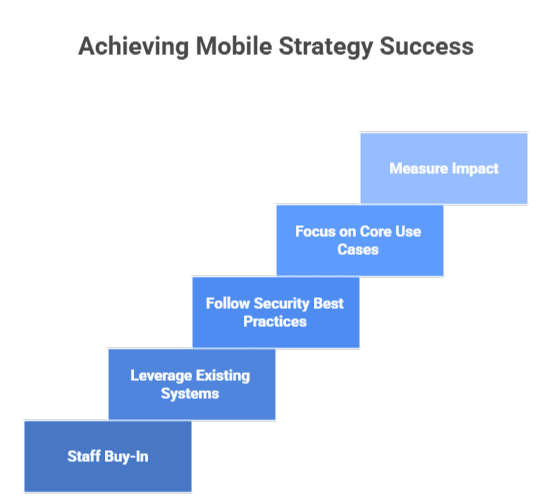
Ultimately, mobile field initiatives succeed when they clearly improve daily work. Focus on core use cases (like mobile inspections or 311 ticketing) and measure the impact. Agencies that do this consistently see the highest ROI: happier constituents, faster service, and a more empowered workforce.
Conclusion and Call to Action
By 2026, mobile apps are no longer an add-on they’re fundamental to local government field work. Departments from planning to public works are realizing that apps bring agility: work gets done faster, costs go down, and citizens stay more satisfied. Governments that have embraced these trends report dramatically shorter service times and brighter approval ratings. In one city, citizen satisfaction jumped 72% after launching a user-friendly mobile service app.
If your local government wants to tap into these benefits, the time to act is now. App Maisters specializes in mobile app development for government, creating custom solutions for field service, permitting, citizen engagement, and more. Our local government IT solutions (from inspection platforms to resident portals) are designed to modernize municipal workflows. Whether you’re a small town or a large county, our experienced team of government IT contractors can guide you through building or adopting the right apps for your needs.
Ready to modernize your field operations? Contact App Maisters Government Services today for a consultation and see how mobile applications can transform your city or county.
Frequently Asked Questions
How do mobile apps help local government field workers?
Mobile apps allow workers to complete tasks on-site using phones or tablets. They improve accuracy, save time, and reduce office visits.
Why are mobile apps important for local government 2026?
In local government 2026, agencies face staff shortages and rising service demand. Mobile apps help teams do more work with fewer resources.
What field services use government mobile applications?
Inspections, public works, code enforcement, utilities, and emergency response use them. These apps support real-time data entry and task updates.
How do mobile apps improve citizen services?
Citizens can report issues, track requests, and receive updates instantly. This leads to faster responses and higher public trust.
Can mobile apps integrate with existing government systems?
Yes. Most government mobile applications integrate with GIS, permitting, and asset systems.
What role does AI play in mobile field apps?
AI supports data analysis and automation. Human roles in AI remain critical for decisions and oversight.
How do agencies start with mobile app development?
Agencies begin by identifying field workflows that need improvement. They then work with experts in mobile app development for government.