


A Unified Platform for Enhanced Healthcare Delivery
In an increasingly complex healthcare landscape, the need for efficient, coordinated care has never been greater. App Maisters’ Digital Health Platform provides a secure, scalable, and compliant solution that enables healthcare providers and agencies to deliver better care through integrated patient data management, telemedicine capabilities, and streamlined workflows. Designed to support health organizations’ unique needs, the platform ensures real-time access to critical health information, improves collaboration, and enhances overall patient care all while maintaining stringent regulatory compliance with standards like HIPAA and FISMA.


Better Care. Smarter Decisions. More Efficient Operations
Our Digital Health Platform helps healthcare providers improve care coordination, enhance patient engagement, and make data-driven decisions. By integrating real-time health data and communication tools, agencies can respond more efficiently and accurately to patient needs.

Improve care coordination and patient outcomes
Enhance patient engagement through self-management tools
Provide real-time, data-driven decision-making for healthcare teams
Ensure secure, compliant management of sensitive patient data
Benefits That Drive Better Care and Operational Success
 Improved Patient Care Coordination

Our platform integrates patient data from multiple sources, allowing healthcare teams to access a comprehensive, real-time view of each patient’s health. This leads to more coordinated and informed care decisions, reducing errors and improving outcomes.
Enhanced Patient Engagement

Empowering patients to actively participate in their own healthcare journey, our platform provides a self-management portal where patients can track their health, communicate with providers, and access educational resources, fostering better engagement and compliance.
Better Decision-Making with Real-Time Data

With real-time data access and advanced analytics, healthcare providers can make quicker, more informed decisions. Our platform delivers up-to-date health information and actionable insights, ensuring that the right decisions are made at the right time.
Streamlined Workflow and Operational Efficiency

By automating key workflows and providing real-time collaboration tools, our platform helps healthcare teams reduce administrative burdens, optimize resource allocation, and improve operational efficiency, ultimately allowing providers to focus more on patient care.
Secure and Compliant Data Management

Our platform adheres to the highest security standards, ensuring that sensitive health data is securely stored, transmitted, and accessed. With built-in features for HIPAA compliance and robust data protection, healthcare organizations can trust that their patients' information is always secure.
Cost Savings and Scalability

Designed to scale with your needs, our platform allows healthcare organizations to expand their services without incurring additional infrastructure costs. With improved operational efficiency and streamlined workflows, healthcare providers can reduce costs and improve their bottom line.
Key Features for Next‑Level Digital Healthcare
Designed for Healthcare Providers and Government Health Agencies
App Maisters’ Digital Health Platform is tailored to meet the needs of:
Healthcare providers (hospitals, clinics, private practices)
Government health agencies and public health organizations
Telemedicine and remote care services
Health insurers and payers looking to enhance service delivery
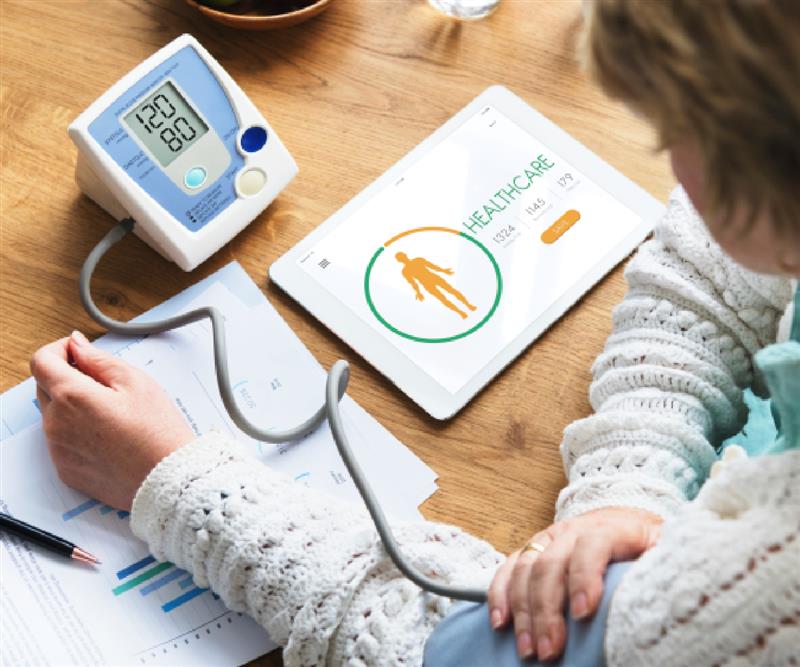

From Patient Care to Operational Efficiency All in One Platform
Our solution supports the full healthcare lifecycle:
Patient Care: Provide integrated care with real-time access to patient data and telemedicine capabilities
Collaboration: Enhance care coordination across departments, healthcare providers, and patients with seamless communication tools
Decision-Making: Leverage real-time analytics and reporting for informed, data-driven decisions
Scalability: Adapt and grow with ease, ensuring continuous, efficient healthcare delivery as your needs evolve
Frequently Asked Questions
What is a digital health platform?
A digital health platform is a technology‑powered system that connects patients, healthcare providers, and medical data into a unified digital environment. It enables secure access to health records, remote consultations, monitoring tools, and communication features all in one place.
How does a digital health platform work?
Digital health platforms collect, integrate, and manage information like patient records, test results, and remote monitoring data, then make it accessible through apps or web interfaces so clinicians and patients can view and act on information in real time.
Why are digital health platforms important for healthcare today?
They help improve care coordination, support remote healthcare services like telemedicine, centralize patient data for better decision‑making, and make healthcare more accessible and efficient especially in large or resource‑strained systems.
What benefits can agencies see from using a digital health platform?
Benefits include faster access to health records, improved patient engagement, reduced administrative burden, support for virtual care delivery, and stronger data insights that can guide clinical decisions and policy planning.
What features should I look for in a digital health platform?
Commonly sought features include secure access to electronic health records, telehealth/virtual care capabilities, patient portals, data analytics dashboards, remote monitoring tools, interoperable APIs, and role‑based access controls.
Can a digital health platform support telemedicine and remote care?
Yes. Modern digital health platforms integrate telemedicine tools that let clinicians provide consultations online, schedule virtual visits, and follow up with patients outside traditional clinical settings.
Is patient data secure on a digital health platform?
Reputable digital health platforms are built with strong security measures such as encryption, user authentication, and compliance with healthcare data privacy standards to protect sensitive medical information.
How does a digital health platform improve patient engagement?
Platforms offer patient portals, secure messaging, appointment scheduling, reminders, and personalized health dashboards that empower patients to stay involved in their care and access health tools from home or on the go.
What challenges can digital health platforms help address?
They help reduce fragmentation of health data, cut down unnecessary in‑person visits by supporting virtual care, make it easier for providers to access longitudinal health records, and support interoperability across systems.
Can a digital health platform integrate with existing health systems and tools?
Yes. Good digital health platforms support integrations with electronic health records (EHRs), clinical databases, and third‑party health technologies so agencies can unify workflows without replacing legacy systems.